


Let’s Connect
Frozen Frontiers and Endless Wonder?
The Poles Await
We’d love to help you plan your perfect trip
Explore Earth’s Last True Wilderness
The Polar Regions are unlike anywhere else on the planet. From the icy reaches of the Arctic Circle to the white silence of Antarctica, these extraordinary destinations offer raw beauty, unmatched wildlife and powerful moments of solitude. For those seeking something different, something deeper, the poles deliver in every way.
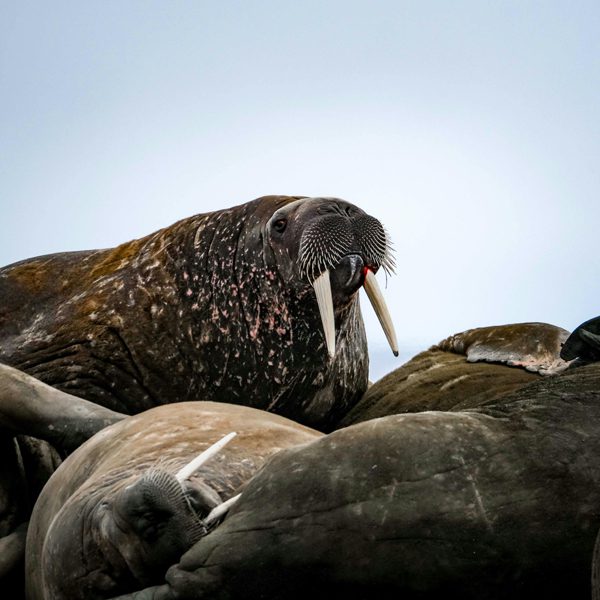
In the Arctic, sail past glacier-carved fjords and rugged coastlines under the midnight sun. Spot polar bears, walrus and reindeer in the wilds of Svalbard, or explore Greenland’s icy inlets and Inuit villages. In Antarctica, glide through iceberg fields and step ashore among thousands of penguins, seals and nesting seabirds. Watch humpback whales breach in icy bays and stand where few have stood before.
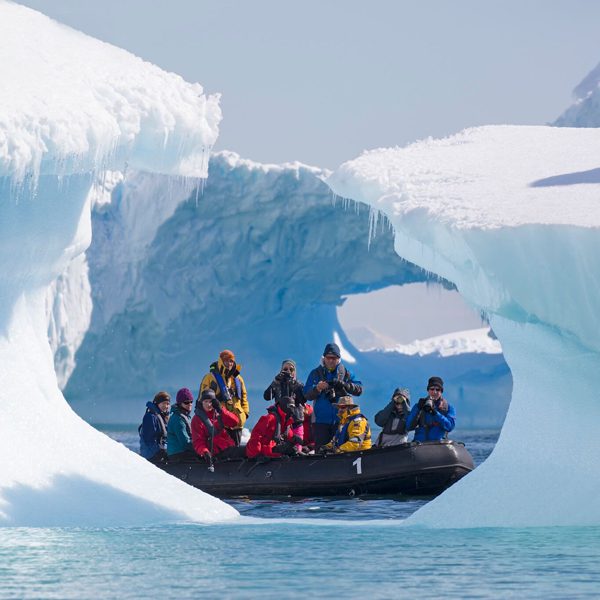
Travel to the poles is made possible through small-ship expedition cruises led by expert guides, naturalists and scientists. These vessels are designed for exploration and comfort, with daily landings, Zodiac excursions and lectures that bring the polar environment to life. Whether you are kayaking beside a glacier or hiking a tundra ridge, every day is an adventure.
You can visit Antarctica during its summer season, sailing from Ushuaia at the southern tip of South America. The Arctic season runs from May to September, with trips departing from Norway, Iceland or Canada. Each journey is immersive, educational and emotionally powerful.
With Nexus Travel, we help you choose the right route, ship and season to match your comfort and curiosity. Whether it’s your first polar expedition or a return to the ice, we tailor every detail to ensure your journey is safe, meaningful and unforgettable.
Where can you travel with us in The Polar Regions?
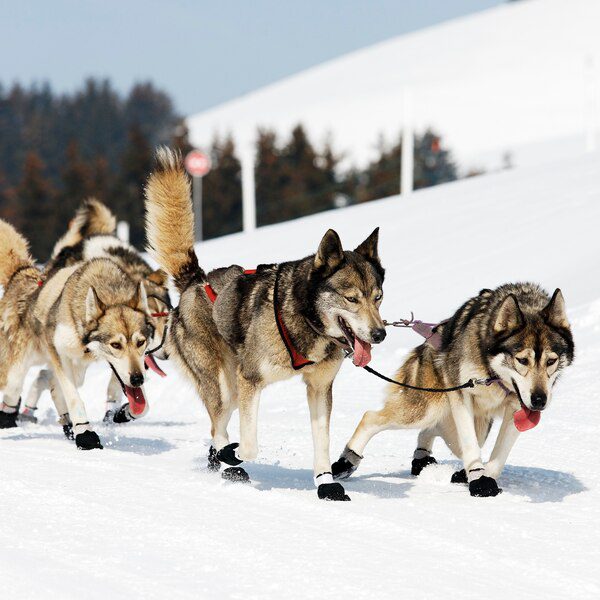
Discover the awe-inspiring landscapes of the Arctic and Antarctic, where pristine glaciers and captivating ice formations await. Experience unforgettable wildlife encounters with polar bears, seals, and penguins in their natural habitats. Embark on thrilling adventures like dog sledding, snowshoeing, and kayaking among ice floes. Your journey to these enchanting realms promises breathtaking beauty and unique experiences that will leave you with memories to cherish for a lifetime.

The Arctic

Antarctica
How to explore the Polar Regions?
Cruising the polar regions offers an exciting way to experience stunning landscapes and wildlife. Choose an expedition cruise line for expert guidance and immersive itineraries. Engage in kayaking, hiking, and wildlife spotting during excursions while enjoying onboard enrichment programs. With smaller groups and adaptable itineraries, cruising allows for personalised exploration of these breathtaking destinations.

Hurtigruten Expeditions
Hurtigruten Expeditions offers eco-conscious cruises focused on sustainable exploration, taking guests through stunning Arctic and Antarctic landscapes. With knowledgeable guides and immersive shore excursions, travellers enjoy unique wildlife encounters while staying in comfortable, modern accommodation on their expedition vessels.

Antarctica21
Antarctica21 specialises in fly-cruise itineraries to Antarctica, significantly reducing travel time and maximising the time spent exploring this pristine region. Guests enjoy comfortable accommodations and unique excursions, with a focus on intimate and immersive experiences in one of the most remote places on Earth.

Quark Expeditions
Quark Expeditions specialises in adventurous polar journeys, providing small ship experiences that cater to intrepid explorers. Guests embark on unique itineraries to remote locations, enjoying expert-led excursions that highlight the breathtaking scenery and diverse wildlife of the Arctic and Antarctica.

Ponant
Ponant blends luxury with exploration, featuring stylish yachts that navigate icy waters with elegance. Known for its French-inspired cuisine and intimate atmosphere, Ponant delivers unforgettable polar adventures while offering top-notch amenities and personalised service onboard.

Silversea Cruises
Silversea is synonymous with ultra-luxury, providing sumptuous all-suite accommodations, fine dining, and impeccable service. Its itineraries in the polar regions promise enriching experiences, with expert lectures and immersive shore excursions that enhance the journey into pristine wilderness.

Seabourn Cruise Line
Seabourn combines opulence with adventure in the Arctic and Antarctica, featuring spacious suites, gourmet dining, and unparalleled service. Guests partake in exclusive excursions to explore dramatic landscapes, all while enjoying the comforts of their luxurious vessel.

Scenic Luxury Cruises
Scenic Luxury Cruises presents an all-inclusive experience in polar destinations, offering luxury accommodations and bespoke shore excursions. Travellers can immerse themselves in the untouched beauty of the Arctic and Antarctic while enjoying exceptional dining and attentive service throughout their journey.

Regent Seven Seas
Regent Seven Seas is renowned for its all-inclusive luxury, offering expansive suites and gourmet dining options. Travellers enjoy exclusive shore excursions in breathtaking polar landscapes, complemented by exceptional service and an intimate atmosphere aboard their elegant ships.

Lindblad Expeditions
Lindblad Expeditions focuses on enriching adventure and education in polar regions, providing guests with experienced naturalists and guides. Along with comfortable accommodations, guests engage in authentic experiences that foster a deeper understanding of the unique ecosystems found in the Arctic and Antarctica.

Atlas Ocean Voyages
Atlas Ocean Voyages delivers a modern luxury cruising experience with a focus on immersive adventures in polar destinations. Offering stylish accommodations alongside tailored itineraries, travellers indulge in high-end amenities while exploring the breathtaking scenery and rich wildlife of the polar regions.

Celebrity Cruises
Celebrity Cruises combines contemporary luxury with an expedition-style approach in Arctic and Antarctic itineraries. Guests enjoy stylish ship design, diverse dining options, and enriching shore experiences, all while exploring the stunning landscapes and vibrant wildlife that characterise these remote areas.

Oceanwide Expeditions
Oceanwide Expeditions emphasises authentic polar explorations, providing comfortable accommodations on smaller expedition vessels. With guided excursions and knowledgeable staff, travelers experience the stunning natural beauty, diverse wildlife, and unique landscapes of the Arctic and Antarctic firsthand.
Let’s Connect
Your Next Journey
Starts Here
We’d love to help you plan your perfect trip
Get in touch another way?
We’ll Contact YouUseful Information for your trip to the Polar Regions
Entry Requirements
Entry depends on the country you transit through. For Antarctica, most travellers go via Argentina or Chile. For the Arctic, access is often through Norway, Iceland, or Canada. Ensure you meet visa and passport requirements for these gateways.
Best Time to Visit
The Antarctic cruise season runs from November to March, during the Southern Hemisphere summer. For the Arctic, travel is best between May and September when conditions are mild and wildlife is most active.
Vaccinations
No specific vaccines are needed for the polar regions, but standard travel immunisations are advised. If travelling via another country, check their entry requirements too.
Currency
There is no official currency in Antarctica. Expenses are usually paid in advance. In the Arctic, currency depends on the country visited, such as Norwegian Krone or Canadian Dollar. Cards are accepted in major towns.
Language
Languages spoken vary based on the gateway country. English is widely spoken on expedition ships and Arctic tours. On land, local languages may include Norwegian, Russian, or French depending on your itinerary.
Electricity
Most expedition ships provide standard European outlets (220V). In Arctic regions, plug types depend on the country visited, so check in advance and bring a universal adaptor.
Antarctica Peninsula
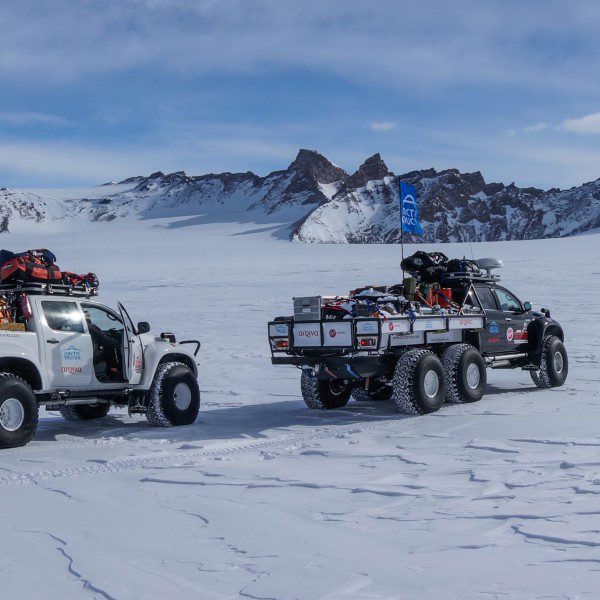
Experience vast ice shelves, dramatic glaciers, and colonies of penguins. Zodiac excursions bring you face-to-face with nature in its most untouched form.
South Georgia
Often called the Serengeti of the Southern Ocean, this remote island is home to hundreds of thousands of king penguins and historic whaling stations.
North Pole Expeditions
Reach the top of the world via icebreaker cruise or chartered flight. A rare and unforgettable bucket list adventure for polar explorers.
Svalbard Archipelago
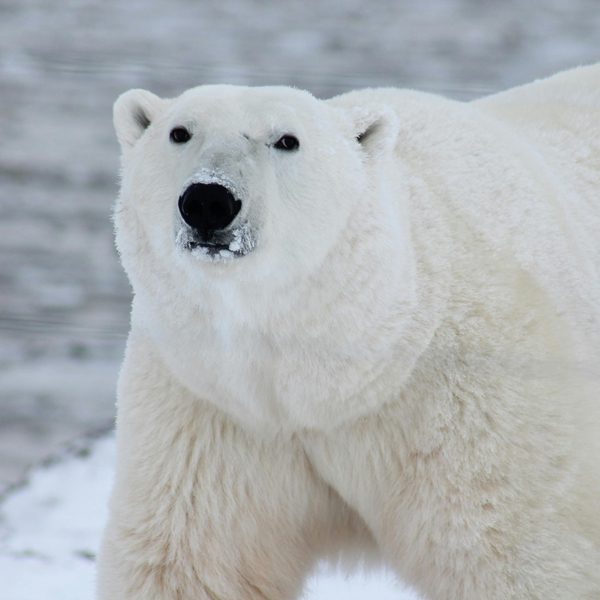
Located between mainland Norway and the North Pole, Svalbard offers polar bear sightings, glacier hiking, and midnight sun experiences in the summer.
Greenland Coast
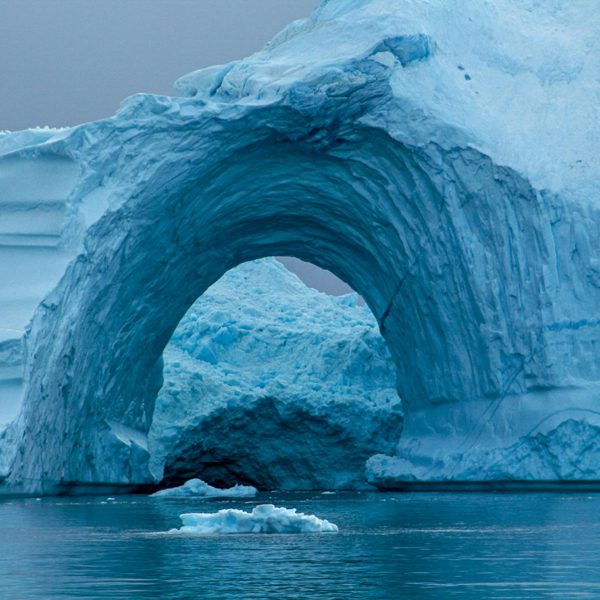
Explore colourful Inuit villages, towering fjords, and floating icebergs along Greenland’s dramatic western shores on an Arctic expedition cruise.
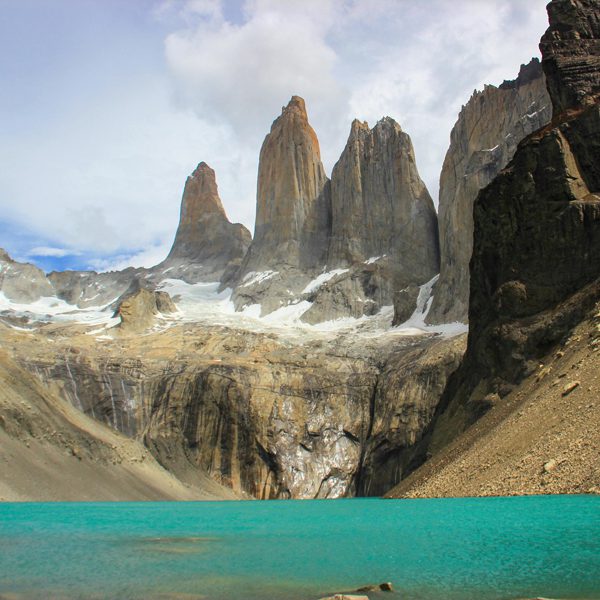
Patagonia & Ushuaia
Often part of an Antarctic itinerary, Ushuaia in Argentina is the world’s southernmost city and the main gateway to the White Continent.
Getting There
Access to Antarctica is usually via cruise from Ushuaia, Argentina. Arctic trips depart from countries like Norway, Canada, or Greenland. Flights to remote airstrips may be required.
Travel Insurance
Comprehensive travel insurance that includes medical evacuation is mandatory for most polar expeditions due to the remote nature of the destination.
Packing Essentials
Waterproof outerwear, thermal base layers, gloves, and sturdy boots are essential. Most cruises provide parkas and rubber boots, but check before packing.
Weather Conditions
Conditions are unpredictable and temperatures can drop quickly. Flexibility is key, as itineraries may shift due to ice or weather changes.
Environmental Care
Respect strict environmental protocols. Stay on designated paths, avoid disturbing wildlife, and never take anything from the land or ice.
Health & Fitness
Expedition travel can be physically demanding. Most activities are optional, but a reasonable level of fitness is helpful for shore landings and hikes.
World’s Last Wilderness
The polar regions remain some of the least touched places on Earth. Visitors often describe a profound sense of wonder and silence.
24-Hour Light
Depending on the time of year, you may experience midnight sun or polar night. The light and colours are constantly changing and mesmerising.
Wildlife Highlights
Expect to see penguins, seals, whales, polar bears, Arctic foxes, and seabirds in their natural habitats. Each sighting is a thrilling moment.
Scientific Frontier
Antarctica is a hub for international science, with dozens of research bases studying climate, wildlife, and earth history year-round.
No Permanent Residents
Antarctica has no indigenous population. The Arctic, however, is home to Inuit and other communities with rich cultures and traditions.
Photography Paradise
From glistening icebergs to dramatic landscapes and wildlife encounters, the polar regions are a dream destination for photographers and nature lovers.








Personal Specialist
Expert travel advisor from start to finish
- Direct access to your travel specialist
- Consistent support for all your bookings
- Tailored advice based on your profile
- Responsive help for all your concerns
- Reliable contact throughout your journey
- Trusted expert guiding every next step

Tailored Itineraries
Every journey shaped just for your style
- Plans designed around your expectations
- Custom routes built with care and detail
- Itineraries focused on your interests
- Schedules refined to fit your timing
- Balanced pacing throughout the trip
- Trips planned for meaning and comfort

Continuous Improvement
Constantly refining how we support you
- Feedback-driven changes every season
- Lessons learned improve every detail
- Refined processes through experience
- Team development fuels better results
- Reviews drive smarter planning always
- We update your journey with insight

NEXUS Benefits
Perks and upgrades exclusive to NEXUS
- Complimentary upgrades where available
- Priority reservations secured for you
- Partner deals with extra added value
- Private access to premium experiences
- Special offers for returning travellers
- Loyalty rewarded with every journey

End-to-End Support
Complete travel help at every step
- Planning to follow-up, fully handled
- 24/7 support whenever it's needed
- Pre-checks for all essential documents
- Live help for any travel disruptions
- Support continues after you return
- Every detail managed start to end

Trusted Partners
We choose only trusted travel experts
- Fully accredited suppliers worldwide
- Partners meet strict service standards
- Vetted through years of shared success
- Backed by consistent client feedback
- Trusted by us and our customers alike
- Reviewed regularly for quality control
Getting to the Polar Regions
Access Points: Most Antarctic cruises depart from Ushuaia, Argentina. Arctic voyages begin in cities like Longyearbyen (Svalbard), Reykjavik or Tromsø.
Flights from the UK: Fly to gateway cities via major European hubs. We’ll handle connections to ports of embarkation for seamless travel.
Visa Details: Entry requirements depend on the departure country, not Antarctica itself. Arctic entry varies by territory (Norway, Greenland, Canada etc).
Entry Documents: Valid passport with at least 6 months’ validity is required. Additional permits may apply depending on the cruise route.
Travel with Nexus: We book curated expeditions with trusted polar operators, including luxury small ships, fly-cruise options and private charters.
Arrival Support: Our team coordinates arrival briefings, hotel stays, transfers, and expedition check-ins so you can travel confidently from start to finish.
Getting Around the Polar Regions
Expedition Ships: Most travel is by purpose-built polar vessels. Expect expert guides, Zodiac landings and onboard lectures enhancing every moment.
Zodiac Landings: Small inflatable boats take you ashore to witness penguin colonies, walrus haul-outs, glaciers and icebergs up close.
Flights & Fly-Cruises: Skip rough sea crossings by flying directly to Antarctica from Chile. In the Arctic, flights connect to Longyearbyen or Kangerlussuaq.
Guided Excursions: All activities are led by naturalists and expedition leaders. Options include kayaking, hiking, ice camping and wildlife viewing.
Polar Safety: All tours follow strict safety and conservation protocols. Your gear is inspected to avoid introducing foreign contaminants to delicate environments.
Tailored Experiences: We match your preferences to the right itinerary — whether you seek adventure, luxury or scientific enrichment.
FAQs
What is the best time to visit the Polar Regions?
The peak travel season for Antarctica is from November to March, while for the Arctic, it’s from June to September.
How do I get to the Polar Regions?
Most travellers fly to departure cities like Ushuaia for Antarctica or Oslo for the Arctic, then board cruise ships or charter flights.
What should I pack for a trip to the Polar Regions?
Pack insulated, waterproof clothing, thermal layers, sturdy boots, gloves, and sun protection.
Are there age restrictions on polar expeditions?
Many operators have minimum age requirements for travellers, often around 8 years, while others may welcome families with children. Check individual policies.
What wildlife can I expect to see?
In Antarctica, look for penguins, seals, and whales; in the Arctic, expect polar bears, arctic foxes, and various bird species.
Is it safe to travel to the polar regions?
Yes, it is generally safe, especially with reputable tour operators. Follow safety guidelines during excursions.
What are the medical facilities like in remote areas?
Medical facilities can be limited. It’s advisable to have travel insurance and bring necessary medications.
How long are typical polar cruises?
Most polar cruises last between 7 to 20 days, depending on the itinerary.
Will I have internet access?
Internet access is often limited or unavailable in remote areas. Expect to be mostly offline during your trip.
Can I take my children on a polar cruise?
Yes, but check specific cruise lines for family-friendly options, programs, and age restrictions.
What types of activities are available during excursions?
Activities include hiking, kayaking, snowshoeing, and guided wildlife watching.
Do I need vaccinations to travel to the polar regions?
Vaccination requirements vary; consult your healthcare provider before travelling for personalised advice.
What currency should I bring?
Currency needs depend on your itinerary. Most cruises operate cashless, but you may need local currency in some ports.
How can I minimise my environmental impact?
Follow eco-friendly practices, respect wildlife guidelines, and choose operators committed to sustainability.
Are there any specific travel insurance requirements?
It’s strongly recommended to have travel insurance that covers emergency evacuation due to the remote nature of polar travel. Check policy details before purchasing.