


Let’s Connect
Ready for the Wild?
Botswana Is Waiting
We’d love to help you plan your perfect trip
Experience Botswana’s Untamed Beauty
Botswana is one of Africa’s most captivating safari destinations, offering pristine wilderness, exceptional wildlife encounters, and a strong commitment to conservation. Whether you’re gliding through the Okavango Delta in a mokoro or tracking big cats across the open plains of the Kalahari, every moment here is pure adventure.
Home to some of the most exclusive safari lodges in the world, Botswana offers a remote and luxurious way to experience nature. Explore the lush wetlands of the Okavango, a UNESCO World Heritage Site, or visit Chobe National Park where elephants roam in large herds. The wildlife is abundant, and the experiences are truly immersive.
From the shimmering Makgadikgadi Salt Pans to the arid beauty of the Central Kalahari, Botswana's diverse landscapes offer something different in every region. Enjoy guided game drives, bush walks with expert trackers, and peaceful sunset cruises along the Chobe River. You can even take to the skies with a scenic flight over the Delta.
With a focus on low-impact tourism, Botswana provides an intimate and authentic safari experience. Whether you’re celebrating a honeymoon, travelling with family, or ticking off a bucket-list dream, this is a place where nature takes centre stage.
At Nexus Travel, we craft tailor-made Botswana holidays that match your travel style and interests. From private camps to luxurious fly-in safaris, we’ll help you experience Botswana at its most breathtaking.
Suggested Trips and Tours
Explore our hand-picked selection of suggested trips and tours, designed to help you experience the very best each destination has to offer.

Okavango Delta Safari
Explore the world-famous Okavango Delta by mokoro, game drive, and walking safari. Spot elephants, hippos, and rich birdlife in this stunning wetland wilderness.

Chobe National Park Adventure
Experience epic game drives and river cruises in Chobe, home to Africa’s largest elephant herds and a wealth of wildlife along the Chobe River.

Makgadikgadi Salt Pans Excursion
Race across the vast salt pans by quad bike, visit ancient baobabs on Kubu Island, and marvel at the otherworldly beauty of this remote landscape.
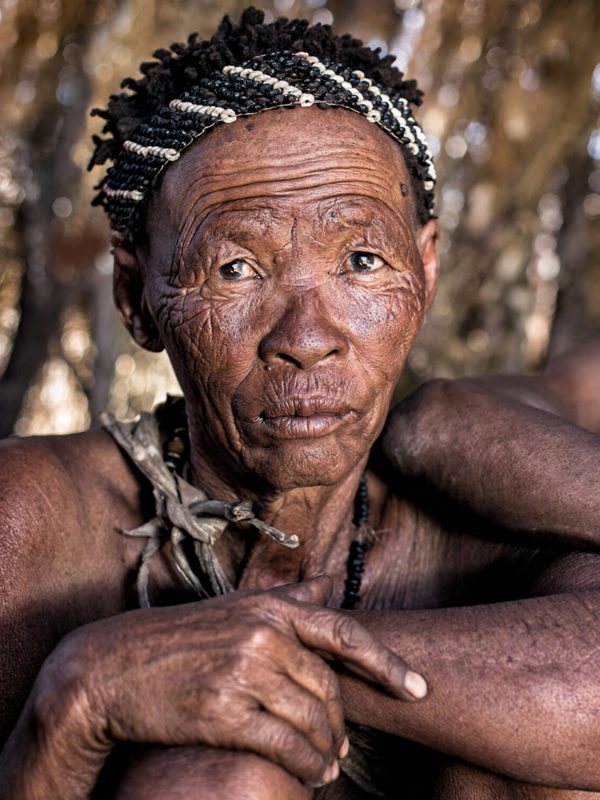
Cultural Experience with the San People
Spend time with the San people and learn traditional survival skills, ancient storytelling, and deep connections to the land.

Kalahari Desert Adventure
Discover the raw beauty of the Kalahari on nature walks and sunset drives, encountering desert-adapted wildlife and sweeping red-sand vistas.
Top Hotels
Explore our curated collection of top hotels, where exceptional comfort meets refined style. Hand-picked for their outstanding service, prime locations and unique character, these properties offer more than just a place to stay – they elevate your entire travel experience.

Chobe Game Lodge
Nestled along the Chobe River, this lodge offers elegant rooms with river views, expert game drives, and boat cruises, providing an unforgettable experience of Botswana’s stunning wildlife and scenery.

Kings Pool Lodge
In the Linyanti Reserve, Kings Pool features luxury tented suites with private plunge pools. Enjoy personalized service and exceptional wildlife experiences, from game drives to boat safaris, in a pristine wilderness setting.

Sandibe Okavango
Located in the Okavango Delta, Sandibe offers luxurious suites with private decks and plunge pools. The eco-friendly lodge provides immersive safaris, gourmet dining, and breathtaking views of the Delta’s wildlife.
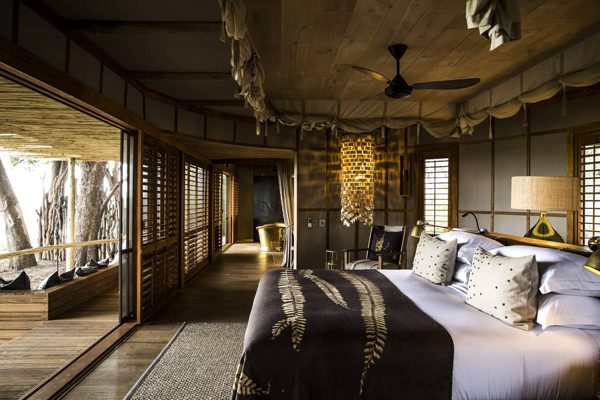
Mombo Camp
Mombo Camp, renowned for its exceptional game viewing, combines luxury tents with expert-guided safaris and gourmet meals. Located in the Moremi Game Reserve, it’s perfect for wildlife enthusiasts and luxury seekers.

Xigera Safari Lodge
Xigera offers a unique safari experience with beautifully designed suites, mokoro rides, and guided walks. Set in the Okavango Delta, it blends eco-luxury with immersive wildlife experiences and local culture.

Vumbura Plains Camp
This luxury camp in the Okavango Delta features spacious tented suites and a wide range of activities. From game drives to cultural experiences, Vumbura offers an unforgettable adventure in a stunning setting.

Zarafa Camp
In the Selinda Reserve, Zarafa Camp offers spacious tents with stunning views, exceptional service, and exclusive game viewing. Its secluded location makes it an intimate and luxurious safari retreat.
Let’s Connect
Your Next Journey
Starts Here
We’d love to help you plan your perfect trip
Get in touch another way?
We’ll Contact YouUseful Information for your trip to Botswana
Entry Requirements
UK travellers can enter Botswana without a visa for up to 90 days. Passports must be valid for at least six months from your date of entry and should have at least two blank pages. Proof of onward travel may be requested.
Best Time to Visit
The dry season from May to October offers the best wildlife viewing. During this time, vegetation is sparse, and animals gather around water sources, making game drives particularly rewarding. The wet season brings lush scenery and newborn animals, especially in January and February.
Vaccinations
No mandatory vaccinations are required for entry, but Hepatitis A, Tetanus, and Typhoid are recommended. If travelling from a yellow fever risk area, proof of vaccination is required. Malaria is present in some regions, so consult your doctor about prevention before you travel.
Currency
The Botswana Pula (BWP) is the official currency. Credit cards are widely accepted in lodges, hotels, and some shops, although cash may be necessary in rural areas or for small purchases. ATMs are available in major towns.
Language
English is the official language and is spoken throughout the country. Setswana is also widely spoken and used in everyday conversation among locals, and learning a few phrases is always appreciated.
Electricity
Botswana uses 230V power with a Type M plug, which is a large three-pronged outlet similar to South Africa. Travellers from the UK will need a suitable adaptor for their electronic devices.
Okavango Delta
This unique inland delta is one of the most remarkable ecosystems on the planet. Explore by traditional mokoro canoe or 4x4 game drive and spot hippos, elephants, and elusive big cats amid the lush waterways.
Chobe National Park
Known for its huge elephant population and riverside game viewing, Chobe offers spectacular boat safaris and game drives. The park also hosts lions, buffalo, antelope, and diverse birdlife.
Makgadikgadi Salt Pans
These vast salt flats stretch across the Kalahari and offer otherworldly landscapes, cultural encounters with the San people, and seasonal wildlife migrations including zebra and flamingos after the rains.
Moremi Game Reserve
Located in the heart of the Okavango Delta, Moremi is rich in biodiversity and offers exceptional game viewing in varied habitats. Expect to see predators, large herds, and beautiful scenery.
Tsodilo Hills
This sacred UNESCO World Heritage Site features ancient rock art, some dating back thousands of years. It holds cultural and spiritual significance for the San people and is a fascinating stop for history lovers.
Central Kalahari Game Reserve
One of the largest protected areas in Africa, the Kalahari offers a remote, rugged experience with desert-adapted wildlife like oryx, cheetah, and brown hyena, as well as dramatic skies and star-filled nights.
Getting Around
Due to remote locations and vast distances, light aircraft transfers are common between safari lodges. In towns, 4x4s or organised tours are the best way to explore, as public transport options are limited.
Packing Tips
Bring neutral-coloured clothing for safaris, a wide-brimmed hat, sunglasses, sunscreen, insect repellent, and binoculars. Warm layers are essential for chilly mornings and evenings during the dry season.
Park Fees
National parks and reserves typically require a daily conservation fee. These are often included in your safari package, but it’s wise to confirm in advance to avoid surprises at the gate.
Connectivity
Mobile coverage is available in towns but limited in remote safari areas. Most lodges offer Wi-Fi in common areas, although it can be slow and unreliable. Consider unplugging to fully enjoy the wilderness experience.
Health & Water
Stick to bottled or filtered water for drinking and brushing teeth. Most lodges supply safe drinking water. Bring any necessary medications with you, as access to pharmacies can be limited in remote regions.
Responsible Travel
Support eco-conscious camps and lodges, follow wildlife viewing guidelines, and avoid single-use plastics where possible. Respect local cultures and contribute to community-based tourism when you can.
Wildlife Without Fences
Many national parks in Botswana are unfenced, allowing animals to move freely between conservation areas and communities. It creates a truly wild experience that benefits both wildlife and local people.
High-Quality Tourism
Botswana follows a low-volume, high-value tourism model. This approach keeps visitor numbers low while maintaining high standards in accommodation, guiding, and conservation.
Elephant Haven
Home to over 130,000 elephants, Botswana has the largest population in Africa. They are most easily spotted in Chobe National Park and the Okavango Delta, particularly during the dry season.
Sustainable Lodges
Many camps in Botswana operate off-grid using solar power and sustainable practices. These eco-lodges offer comfort without compromising on conservation or the environment.
Rich Cultural Heritage
The San people, also known as Bushmen, are among the oldest cultures on Earth. Engage in respectful cultural experiences to learn about their deep connection to nature and traditional knowledge.
Birdwatcher’s Paradise
With over 580 recorded species, Botswana is a dream for bird enthusiasts. From bee-eaters and kingfishers to fish eagles and flamingos, the diversity is astounding, especially during the wet season.

Personal Specialist
Expert travel advisor from start to finish
- Direct access to your travel specialist
- Consistent support for all your bookings
- Tailored advice based on your profile
- Responsive help for all your concerns
- Reliable contact throughout your journey
- Trusted expert guiding every next step

Tailored Itineraries
Every journey shaped just for your style
- Plans designed around your expectations
- Custom routes built with care and detail
- Itineraries focused on your interests
- Schedules refined to fit your timing
- Balanced pacing throughout the trip
- Trips planned for meaning and comfort

Continuous Improvement
Constantly refining how we support you
- Feedback-driven changes every season
- Lessons learned improve every detail
- Refined processes through experience
- Team development fuels better results
- Reviews drive smarter planning always
- We update your journey with insight

NEXUS Benefits
Perks and upgrades exclusive to NEXUS
- Complimentary upgrades where available
- Priority reservations secured for you
- Partner deals with extra added value
- Private access to premium experiences
- Special offers for returning travellers
- Loyalty rewarded with every journey

End-to-End Support
Complete travel help at every step
- Planning to follow-up, fully handled
- 24/7 support whenever it's needed
- Pre-checks for all essential documents
- Live help for any travel disruptions
- Support continues after you return
- Every detail managed start to end

Trusted Partners
We choose only trusted travel experts
- Fully accredited suppliers worldwide
- Partners meet strict service standards
- Vetted through years of shared success
- Backed by consistent client feedback
- Trusted by us and our customers alike
- Reviewed regularly for quality control



Getting to Botswana
International Flights: Most visitors arrive via Johannesburg, Cape Town or Nairobi. Maun and Kasane are the main safari gateways with good regional links.
Preferred Airlines: Carriers such as Airlink, South African Airways and Kenya Airways offer smooth connections to Botswana's airports. We book the most efficient route.
Visa Requirements: UK and EU passport holders currently do not need a visa for short stays. We will confirm the latest entry rules before travel.
Entry Documents: Passports must be valid for at least six months and have two blank pages. Families travelling with children may need birth certificates.
Travel with Nexus: We arrange seamless itineraries including flights, transfers and exclusive lodge stays with expert guides and local hosts.
Arrival Support: Enjoy VIP meet-and-greet services, airport assistance and handover to safari teams arranged by our on-the-ground partners.
Getting Around Botswana
Light Aircraft Transfers: Small bush planes connect Maun or Kasane to remote lodges. These scenic flights offer stunning aerial views of the Okavango and beyond.
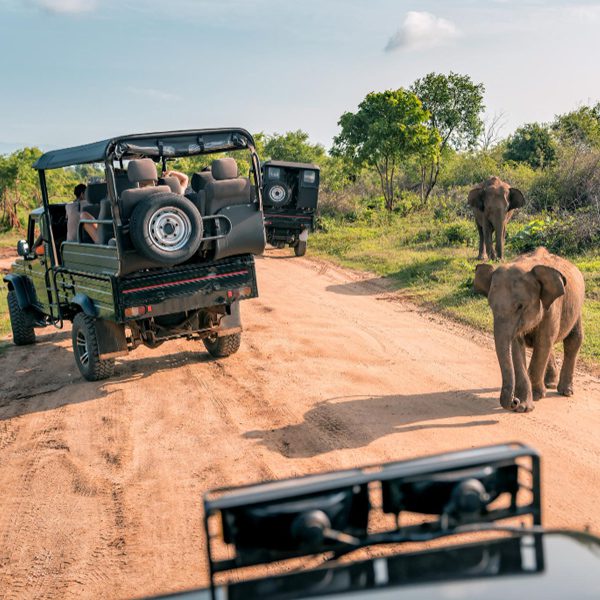
4x4 Game Drives: Most safari movement is in open 4x4s with expert guides. Game drives happen early morning and late afternoon for the best wildlife viewing.
Private Transfers: For more flexibility, we arrange private road transfers between camps, lodges and airstrips. Comfortable, safe and tailored to your pace.
Self-Drive Options: Experienced travellers may enjoy a self-drive adventure in 4x4 vehicles with GPS and full support. We provide full route planning and backup.
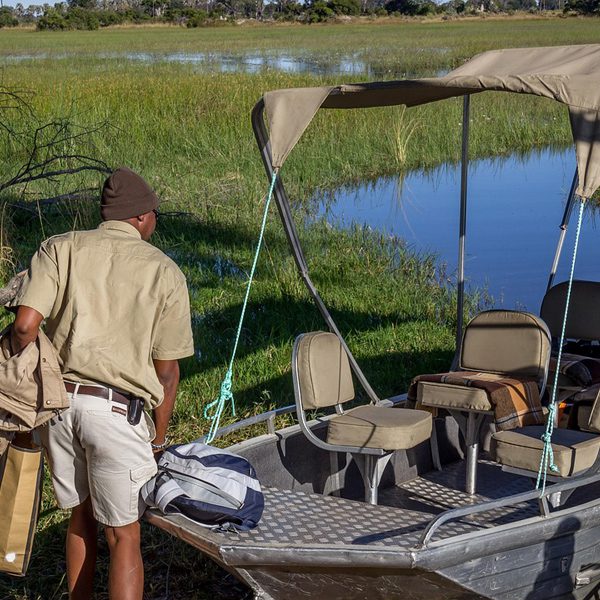
Water-Based Travel: In the Delta, mokoro canoes and motorboats are used to explore the channels. Quiet, peaceful and a highlight of any trip.
Tailored Logistics: We handle every detail, including luggage coordination, inter-camp transfers and park permits, so your journey runs smoothly from start to finish.
FAQs
Do I need a visa to travel to Botswana?
Many passport holders, including those from the UK, EU, USA, and Commonwealth countries, do not need a visa for stays of up to 90 days. However, it is essential to check the current visa requirements for your nationality before you travel.
When is the best time to visit Botswana?
The best time to visit Botswana is during the dry season from May to October, when wildlife is easier to spot around water sources. The wet season from November to April brings lush landscapes and excellent birdwatching opportunities.
What currency is used in Botswana?
The official currency in Botswana is the Botswana Pula (BWP). Credit cards are widely accepted in major towns, lodges, and national parks, but it’s advisable to carry cash when visiting more remote areas.
What languages are spoken in Botswana?
English is the official language and is used in government, education, and tourism. Setswana (also known as Tswana) is the most widely spoken local language and is commonly used in daily conversation.
Is Botswana a safe country to visit?
Botswana is one of Africa’s safest and most politically stable countries. While crime rates are low, travellers should still take normal precautions, particularly in urban areas like Gaborone and Maun.
What vaccinations do I need for Botswana?
It is recommended to be vaccinated against hepatitis A, hepatitis B, typhoid, and tetanus. Malaria is present in northern Botswana, including the Okavango Delta, so malaria prophylaxis is strongly advised for those areas.
How can I get around Botswana?
Travelling around Botswana can be done by domestic flights, guided tours, or self-driving. A 4×4 vehicle is recommended for more remote areas, particularly if you’re visiting national parks or game reserves.
What wildlife can I expect to see in Botswana?
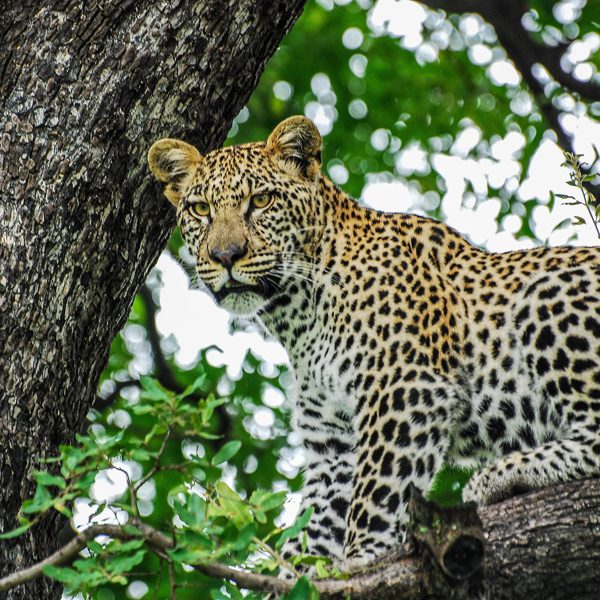
Botswana is home to incredible wildlife, including elephants, lions, leopards, hippos, zebras, giraffes, and numerous bird species. Chobe National Park and the Okavango Delta are among the top spots for game viewing.
What should I pack for a trip to Botswana?
You should pack lightweight, breathable clothing in neutral colours, a wide-brimmed hat, sunscreen, insect repellent, a pair of binoculars, and a camera. Warm layers are also recommended for cool mornings and evenings.
What are the emergency contact numbers in Botswana?
In Botswana, the emergency number for police is 999 and for medical emergencies it is 998. It is also advisable to keep the contact details of your lodge or tour operator readily available during your stay.
Other Popular Destinations

South Africa

Kenya

Egypt
